


Changes to the F1 cost cap have been made in an effort to further level the playing field and are a win for the sport’s smaller teams.
A key sticking point had been the ability to invest in facilities with those like Williams left at a disadvantage.
Under the original rules, their capital expenditure was limited to around $6 million a year, with a concession made for wind tunnels.
That restricted teams’ ability to invest in new facilities and machinery, arguably impacting their chances of bridging the gap to the front of the grid.
Discussions to address that point had been ongoing for some time.
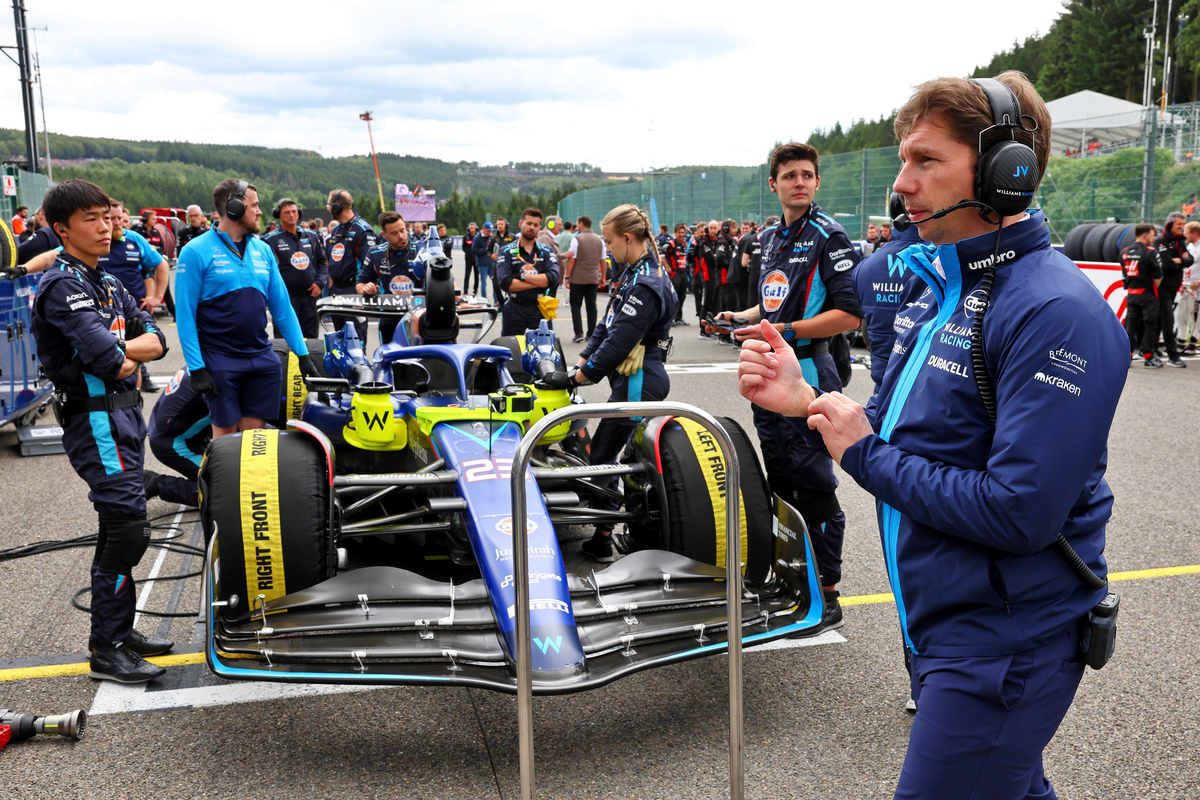
Williams boss James Vowles has revealed progress has now been made.
“Some good news, from my perspective, anyway, good work with all the teams has meant that we’ve managed to unlock an exemption in our favour of 20 million or so,” Vowles confirmed in response to a question by Speedcafe.
“So there was agreement and good discussions taking place since February.
“We have an agreement on the table after six months that is sloped, so teams at the front will not get as much as teams at the back – we will benefit more which is in line to a certain extent with the facilities.”
As revealed by Speedcafe, Williams enjoyed a jump in revenue of £46.6 million according to its recently filed 2022 full-year accounts.
However, its losses rose in line with that increase from £11.9 million in 2021 to £17.9 million, around 12.5 percent of annual revenue, with losses expected to accelerate increase for 2023.
According to Vowles, that is largely a result of discretionary spending and servicing the business owner’s desire to improve its competitiveness – that is to say, they are not fundamental to its ability to compete in F1.
The increase in permitted capex is therefore going to play a significant role on the team’s balance sheet in seasons to come as that plays out.
“There’s quite a large amount of change that we need to do within Williams, I’ve been very clear and open about that,” he said in response to Speedcafe.
“Part of it’s capex, for sure, part of it’s growth of the organisation and change the organisation, part of its growth of the site.
“When you put it all together, you’ll start seeing large, large numbers appear on the table.”
Having dominated F1 during the 1990s and been a front-runner through the early 2000s when powered by BMW, Williams has slipped down the pecking order.
That led to a negative spiral where its lack of competitiveness translated into an inability to attract sponsors, leading to a lack of investment which saw it fall further behind.
It’s that cycle Vowles is now working to break out of.
The capex change and willingness to invest by its owners, a result of the sport’s growth, is a significant step towards that.






















Discussion about this post